
Protecting Tenants Rights: Damp and Mould Compensation
Living with damp and mould isn’t just uncomfortable—it’s a health risk and a legal issue. If you’re renting from a council, housing association, or private landlord, you need to understand your tenants' rights damp and mould.
We help council and housing association tenants across the UK claim repairs and compensation when landlords fail to act at No win, no Fee basis! We've helped secure thousands in payouts for tenants living in poor housing conditions.

Who Qualifies for Compensation?
Council or Housing Association tenants living in poor conditions may be eligible to claim.
You could qualify if you’re dealing with:
- Damp & Mould
- Leaks & Water Damage
- Heating & Electrical Problems
- Faulty Windows or Doors
- Pest Infestations
- Structural Issues
- Bathroom or Kitchen Disrepair
- Gutters, Drains & Sewage
- Unsafe or Unfit Living Conditions
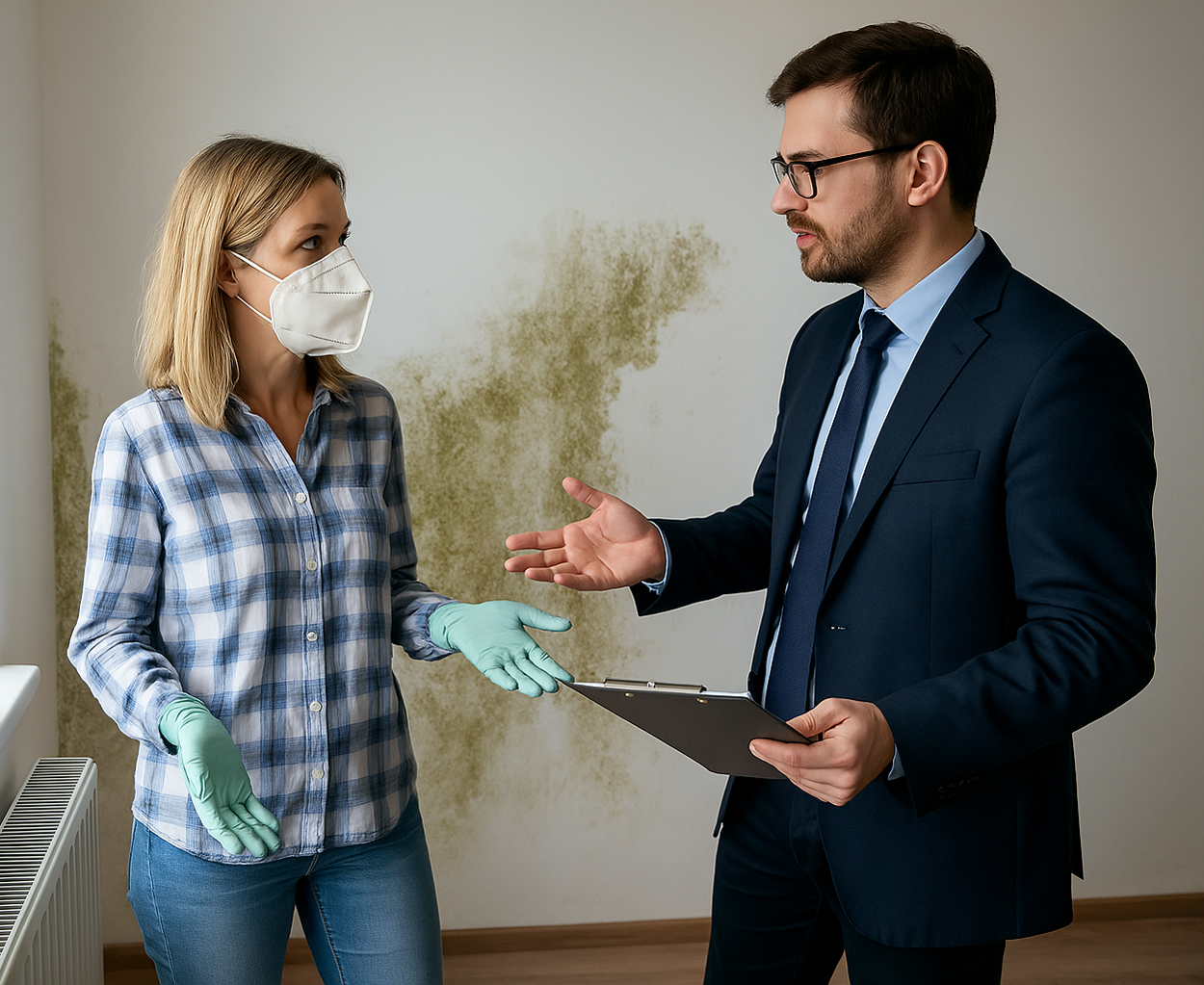
Tenants' Rights Damp and Mould UK Legal Protection
Under the Homes (Fitness for Human Habitation) Act 2018 and the Environmental Protection Act 1990, every tenant in the UK has the right to live in a safe, habitable home. This includes freedom from damp and mould, which is recognised as a serious hazard under the housing health and safety rating system (HHSRS).
This applies to:
- Council tenants
- Private tenants
- Tenants renting from social landlords registered with local councils
You also have protection under official tenants rights damp and mould UK gov guidance, and your local council or environmental health department can take enforcement action when landlords ignore their duties. Failure to comply could result in a potentially unlimited fine.
Health Risks of Damp and Mould in Rental Properties
Damp and mould can damage your health—physically and mentally. Common effects include:
Breathing problems from mould spores
Allergic reactions and asthma worsened by house dust mites
Mental distress and anxiety due to unsafe living conditions
When mould developing is ignored, it leads to persistent problems like condensation damp, penetrating damp, rising damp, and surface mould—especially in the ground floor, on external walls, or near rotten window frames.
If you have medical evidence linking health issues to poor housing, this strengthens your case when seeking action under the tenant act or environmental protection act.


Landlords' Legal Responsibilities for Damp and Mould
Landlords are legally responsible for addressing and preventing damp issues in any rental property they manage. This includes:
- Repairing missing roof tiles, structural issues, and building deficiencies
- Installing proper heating systems, extractor fans, and ensuring adequate ventilation
- Meeting minimum energy efficiency standards and providing a valid energy performance certificate
- Maintaining a working damp proof course
In the private rented sector, private landlords and accommodation providers must act promptly. If they don’t, tenants are advised to research tenants rights damp and mould and get legal support. Reporting to your local council or environmental health team may be necessary.
Landlords cannot make unreasonable demands or ignore safety reports. If they do, tenants can seek legal help and possibly qualify for legal aid.
How to Begin Tenant's Claim for Damp and Mould
Starting a claim might seem overwhelming, but we've streamlined the process to be straightforward and stress-free:

Step 1 - Quick Eligibility Check
Click the button below to answer a few simple questions at your own pace - no complicated forms or lengthy calls.

Step 2 - Case Review
With the information provided, our system instantly checks if you qualify and we assess your disrepair issue.

Step 3 - Connect with Experts
If you qualify, we'll connect you with a housing disrepair expert to arrange a survey and guide you forward.

Step 4 - Get Compensated
We’ll make sure your home gets the repairs it needs and fight for your compensation — all on a no win, no fee basis.
👉 Ready to get started?
It only takes a few minutes. Start your claim now below. Don’t delay – every day living in disrepair is a day you and your family deserve better.
What To Do If You Spot Damp or Mould
- Identify damp (look for stains, mould spores, or soft walls).
- Collect evidence—photos, doctor’s letters, details of mould issues.
- Report damp to your landlord and keep a record.
- If ignored, contact your local council or environmental health team.
- Reach out to us—we’ll help you serve landlords and claim your legal rights.
Real Experience: What Happens When Tenants Take Action
We’ve supported tenants who lived for months in rented properties with visible mould problems and damp patches. One family in Manchester suffered recurring mould growth in their flat due to a broken damp proof system and no ventilation. After our team intervened, they secured over £6,000 in compensation.
Cases like these highlight the importance of knowing your tenants' rights regarding damp and mould and acting fast.
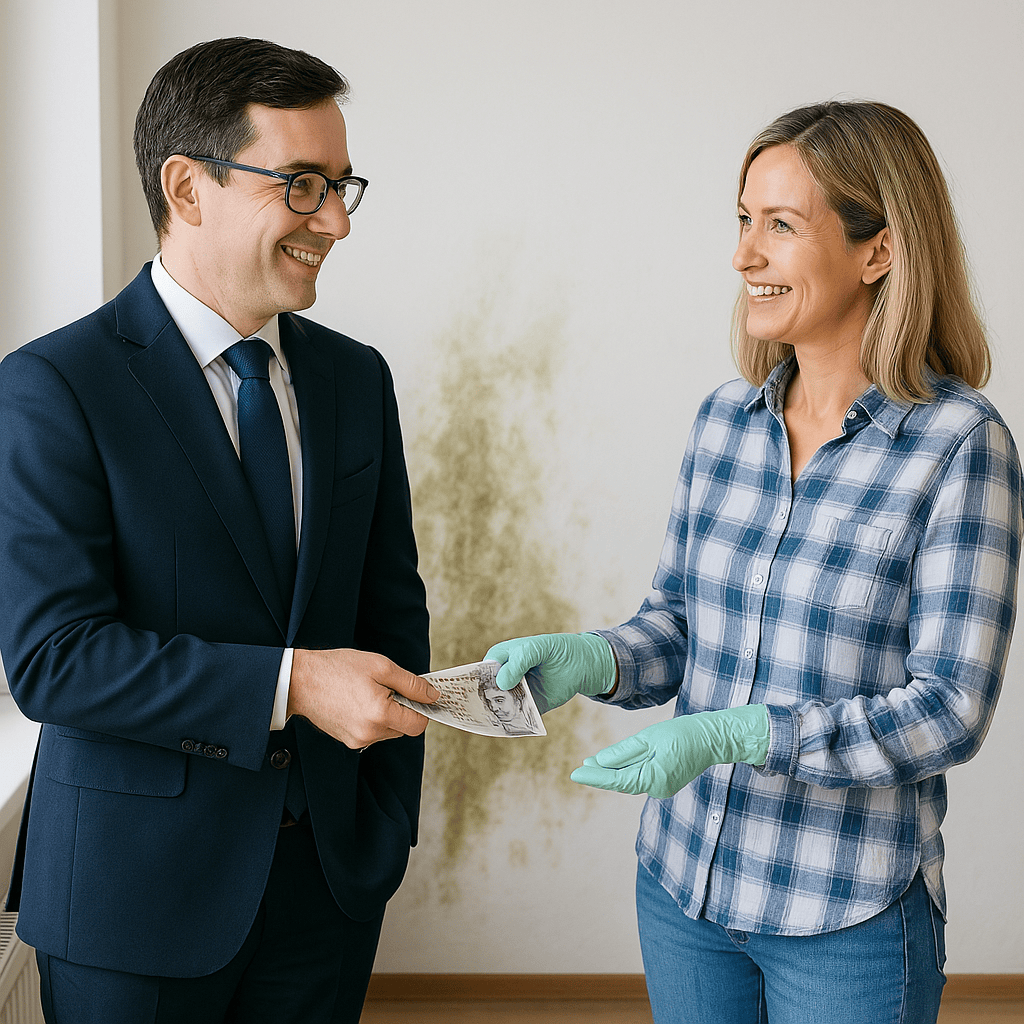

Why Trust Us
With years of experience supporting UK tenants, we are a trusted voice on tenants' rights + damp and mould issues. We work closely with solicitors and housing law experts to:
Enforce legal standards
Secure urgent repairs
Win financial compensation for clients
We stay up to date with the latest government guidance and legal duties for social landlords, housing associations, and council housing providers.
Stand Up for Your Rights
If you're suffering from severe damp, mould growth, or unfit housing, don’t stay silent. The tenants rights damp and mould UK council rules—and national law—exist to protect you.
Let us help you enforce your tenants' rights regarding damp and mould, push for proper repairs, and claim the compensation you deserve.
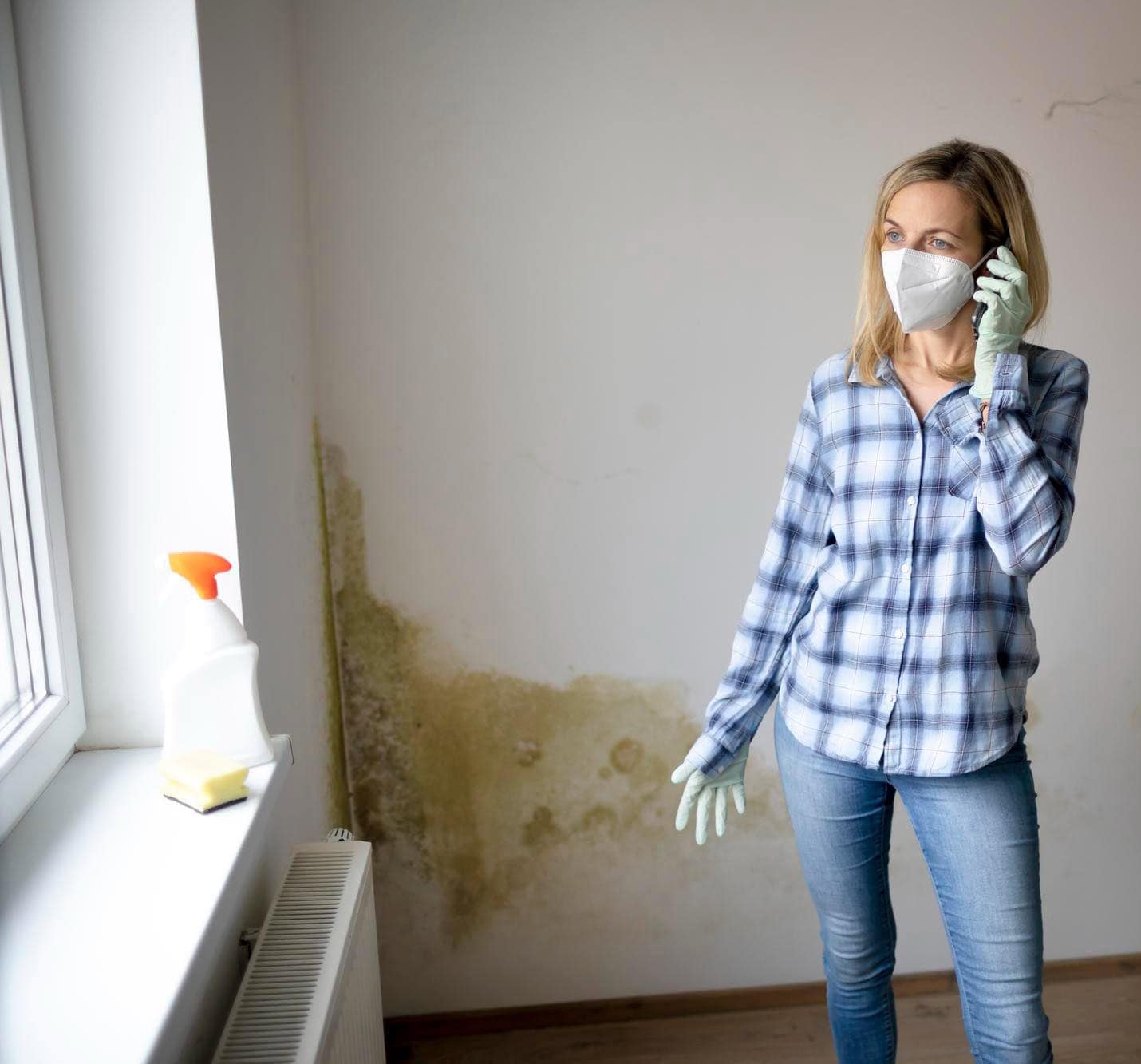
💬 Need Help?
We can help you find out if you're eligible for a claim, connect you with solicitors, and assist in getting your home fixed and securing compensation.
Check if you're eligible today, and we'll guide you through addressing damp and improving your housing conditions.
Tenant FAQ: Damp and Mould in Rented Properties
1. What causes damp and mould in rental properties?
Damp can come from penetrating damp, rising damp, or condensation damp. These issues often affect the ground floor, external walls, or areas with inadequate ventilation. If left untreated, they lead to mould growth, surface mould, and damage to your home.
2. Is damp and mould a health risk?
Yes, both are a serious health risk. Mould spores can harm your tenant health and affect mental health, especially if you have asthma or allergies. Long-term exposure may make a property unfit for human habitation.
3. What are my landlord’s responsibilities?
Under the Housing Act and Landlord and Tenant Act, fixing damp issues is your landlord's responsibility. They must maintain heating, fix leaks, and provide proper ventilation like extractor fans. Inaction could lead to a potentially unlimited fine set by local councils.
4. How can I prevent damp and mould?
You can help prevent damp by using extractor fans, avoiding drying clothes indoors, and keeping air moving. But landlords must also fix causes like rotten window frames, broken damp proof courses, and poor energy efficiency.
5. What should I do if there’s mould in my rented home?
Report it right away. Repeated mould issues or a major mould problem need professional mould removal. Don’t just clean the area—get the underlying causes fixed. This applies to all rented properties, including those from private rented landlords and accommodation providers.
6. Where can I get help with damp and mould problems?
Seek advice if you're dealing with serious mould or damp. Local councils can inspect rental properties and take action if private rented properties are unsafe. Council, social housing and housing association tenants can get started, by checking eligibility on our website. If you qualify, we’ll be in touch to arrange an inspection and pass your case to a qualified solicitor — all on a no win, no fee basis. We’re here to support you in addressing damp and getting the repairs and compensation you deserve.